
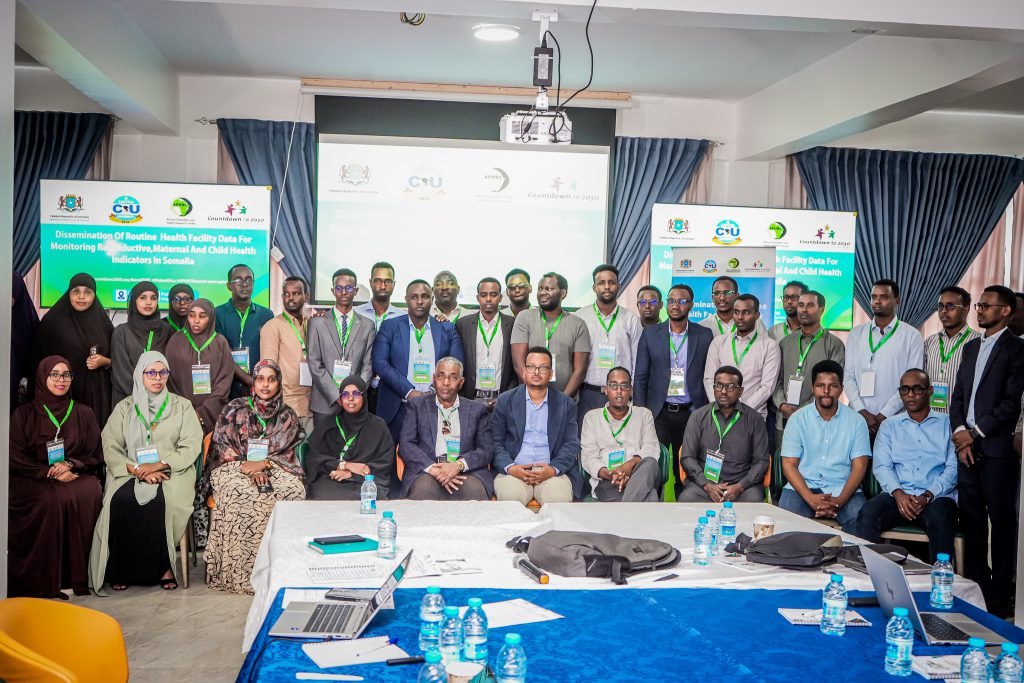
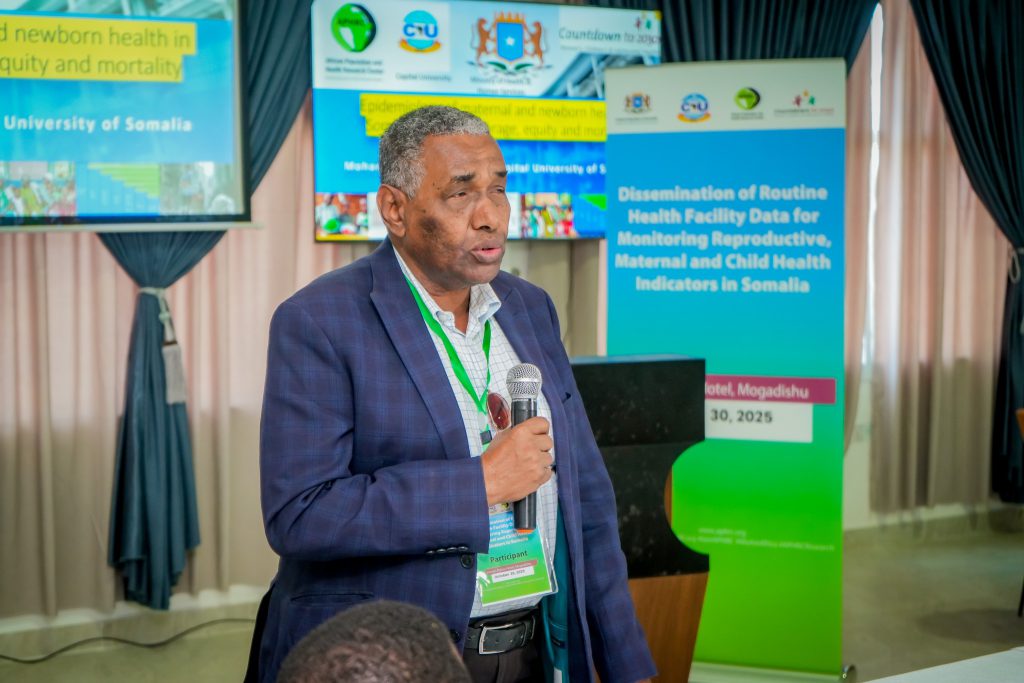
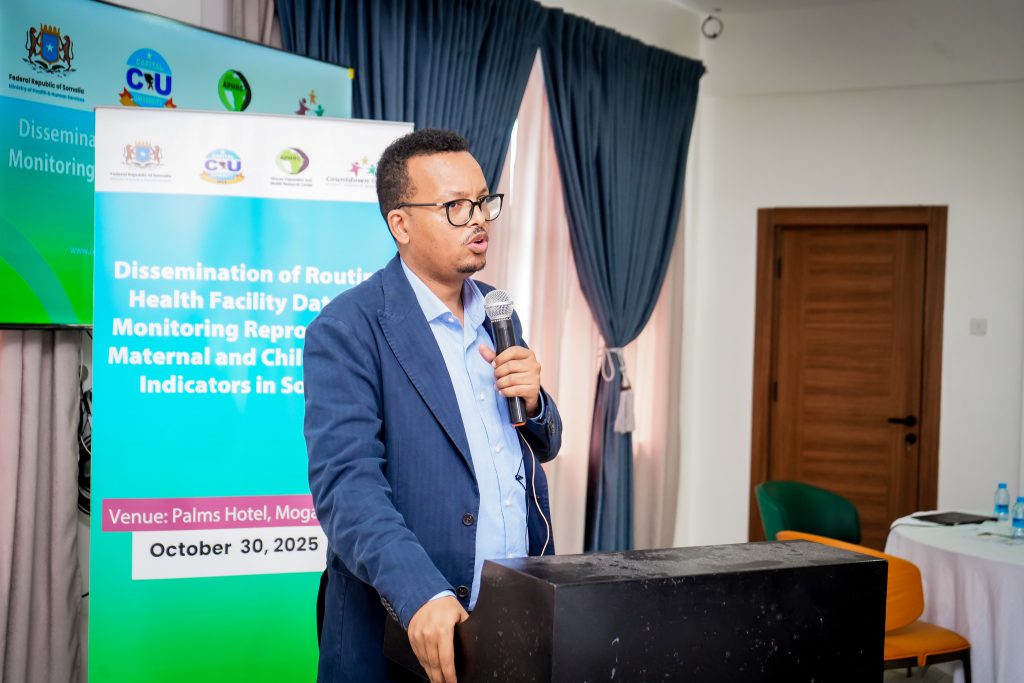
The dissemination workshop on Results from Routine Health Facility Data Analysis to estimate and monitor maternal and child health services utilization in Somalia was held on 30th October 2025 in Mogadishu, Somalia. The workshop was organized by Capital University of Somalia, in collaboration with the Ministry of Health- Somalia, the Global Financing Facility ( GFF) and the African Population and Health Research Center (APHRC).
The aim of the workshop was to share evidence for using routine health facility data to monitor maternal and child health services utilization in Somalia using health facility data for 2019-2024.
The workshop also aimed at achieving the following objectives:
- Foster a comprehensive discussion and understanding of progress monitoring in maternal and child health outcomes.
- Identify service gaps in health provision
- Monitor existing trends in service provision
- Inform evidence-based decisions for resource allocation
This workshop explored the potential of using routine health facility data to enhance maternal and child health services in Somalia and discussed opportunities and strategies for improving data quality and utilization at all health system levels.
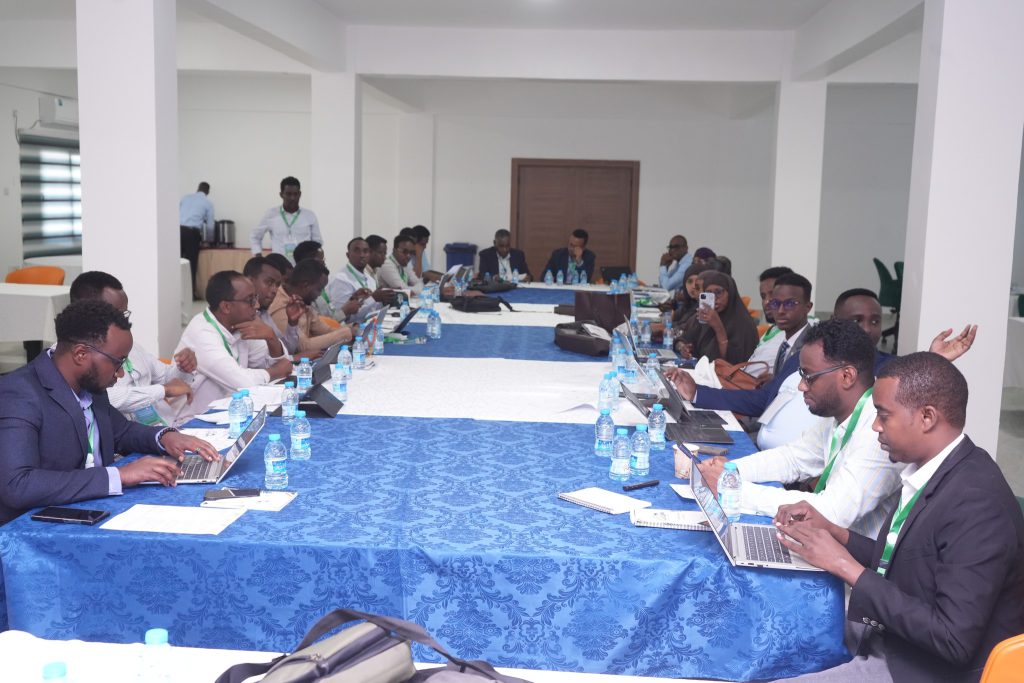
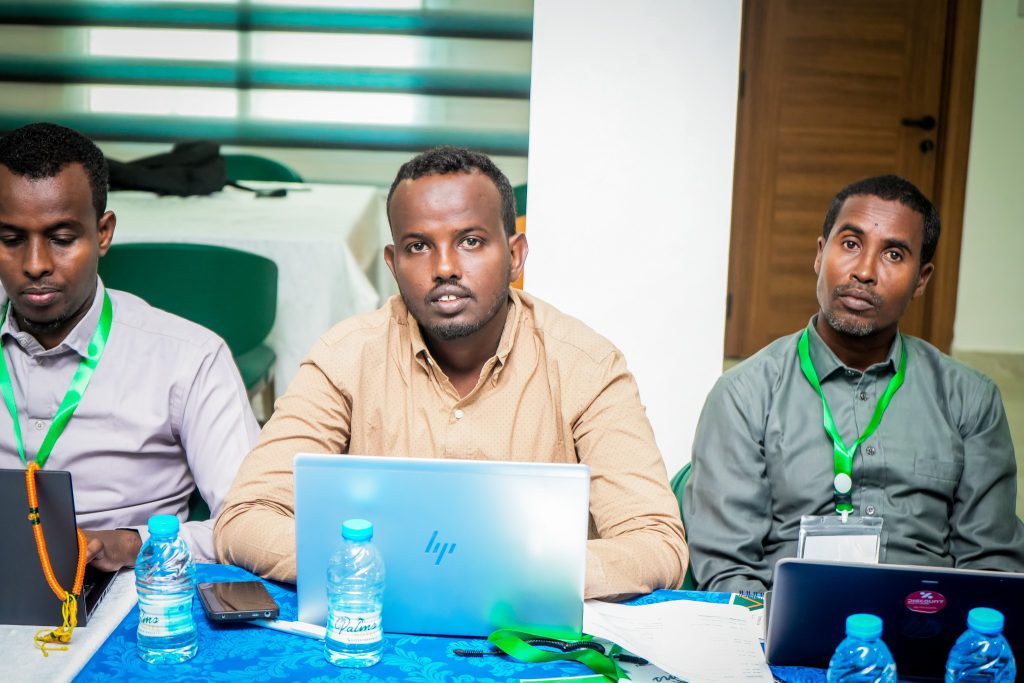
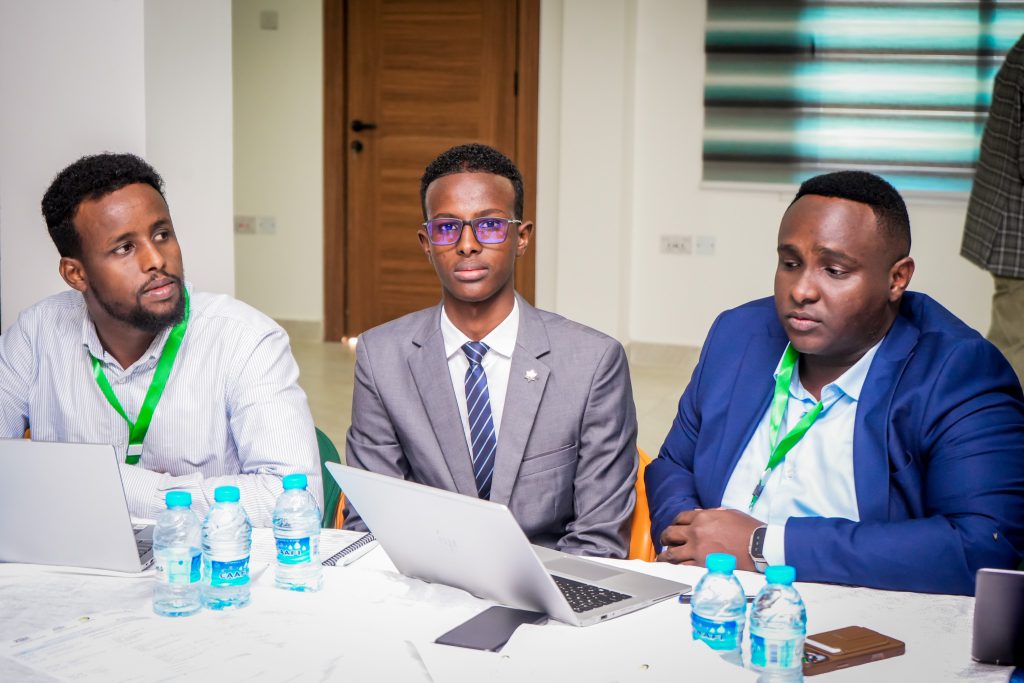
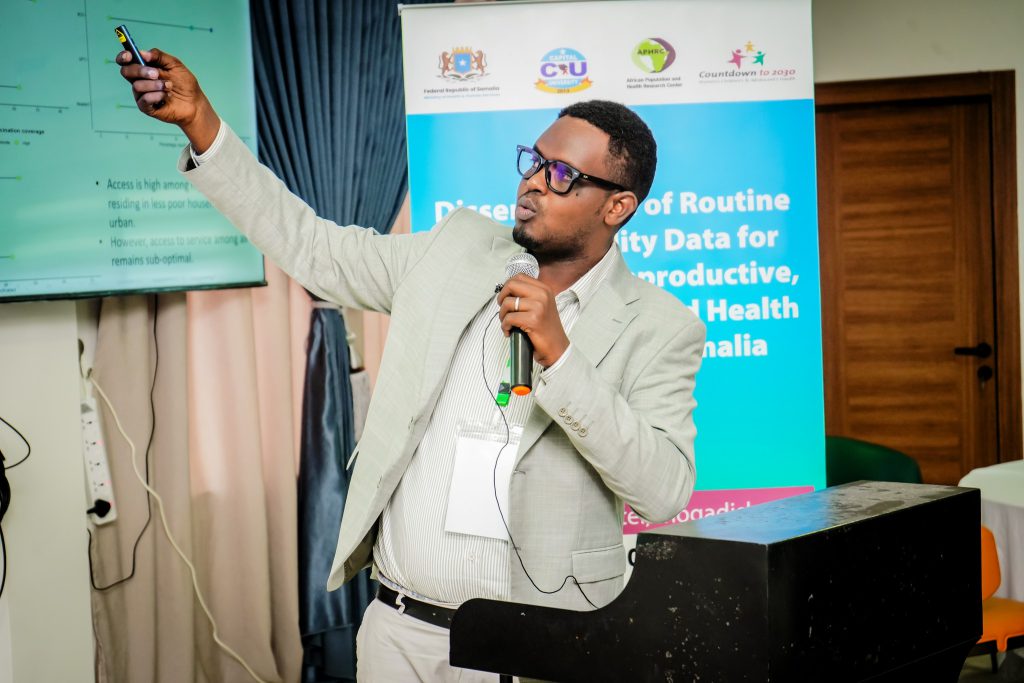
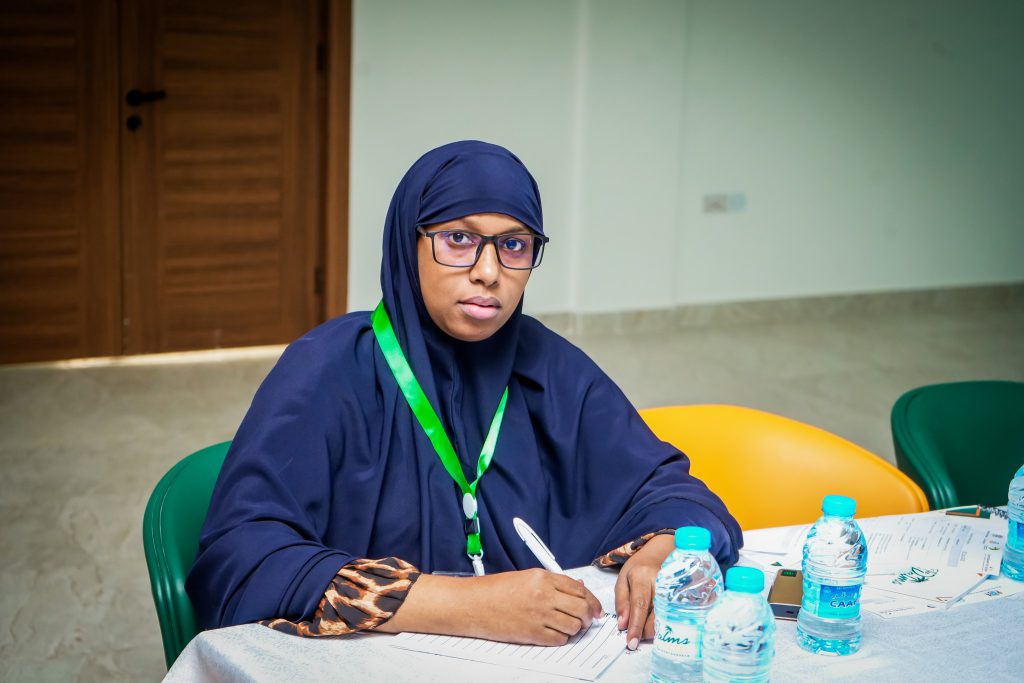
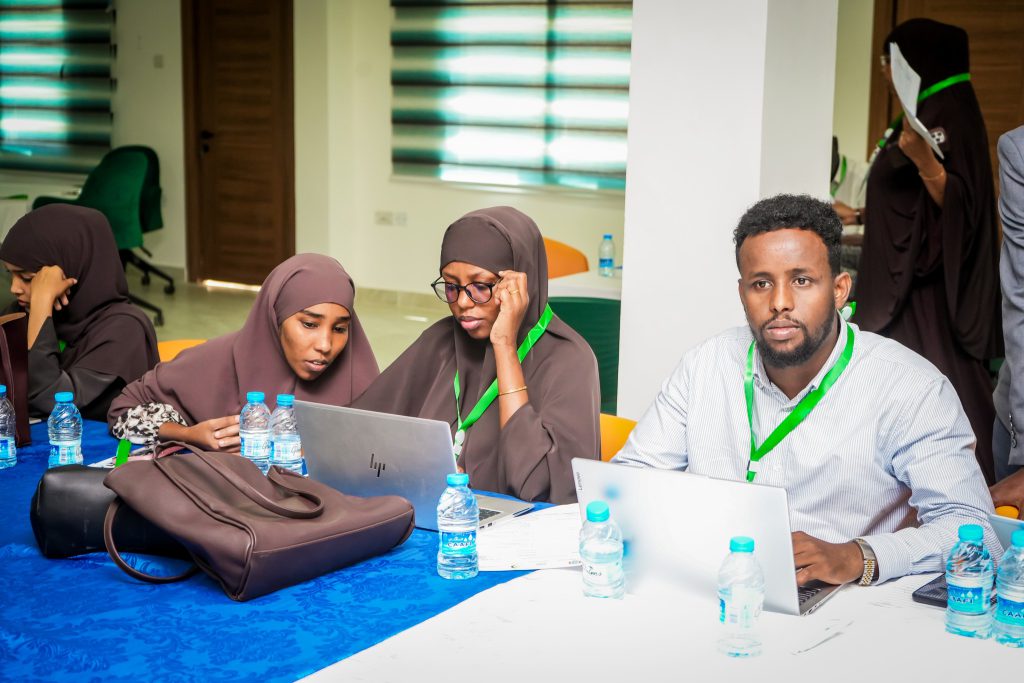
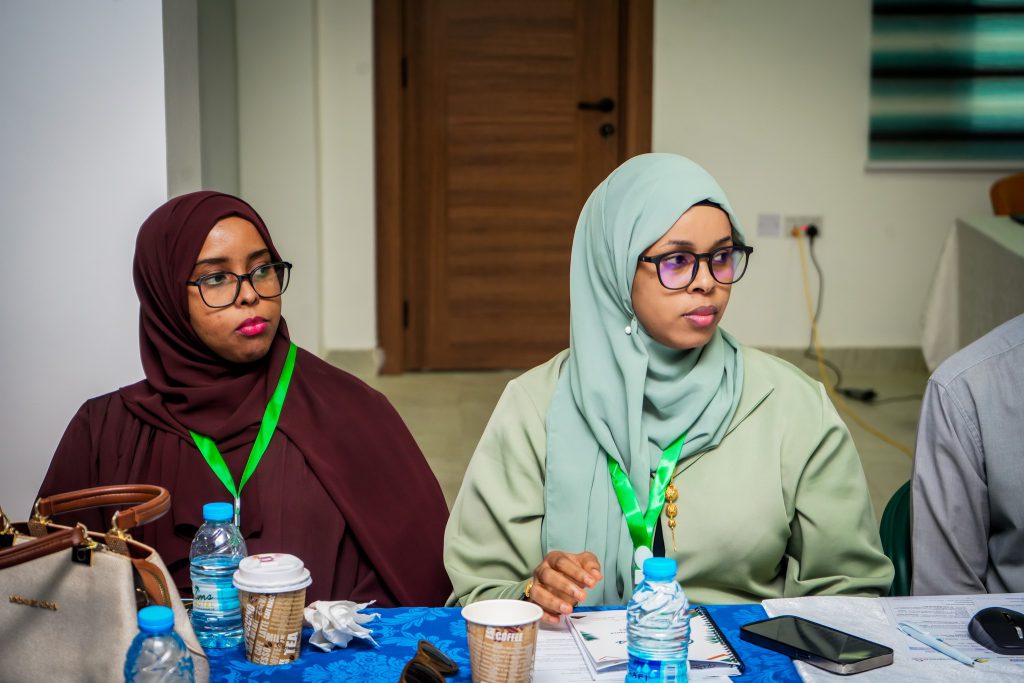
The main activities of the workshop included presentations from health and research experts, addresses from government representatives, and discussions involving all the participants.
Five presentations were made by experts from Capital University and APHRC, focusing on outputs from the analyzed data. The following are the topics of presentation:
- Countdown approach to health facility data analysis
- Data quality for maternal and newborn services, including immunization
- Coverage and trends of maternal and immunization indicators
- Plausibility of Routine Health Management Information Systems in Monitoring Health Services Management
- Measuring Universal Health Coverage in MNCH services in Somalia: using Composite Coverage Index (CCI)”
The presentations generated robust discussions during and after the presentations. Discussions raised the following point:
- How the denominators in the data are generated or arrived at.
- The level at which the data is applied at the national level or other.
- Education system to help increase access to health through awareness raising
- Increased and improved facility readiness for maternal and newborn services to reduce prenatal and maternal mortality.
- The need to measure universal health coverage in Somalia for better statistics.
- The need to research and factor in all causes of disparities in the use of health services, including accessibility, education levels, urbanization, security, and affordability
- Emphasis on the application of data at all levels from the national to the district and village level.
The workshop succeeded in bringing together policy makers in the line ministry, researchers, health service providers and development partners in the sector. This is important for sharing information, building common understanding and working in collaboration among all partners and at all levels.

Dissemination Presentations